Perspectives from Cannes Lions 2019: Creativity Reigns
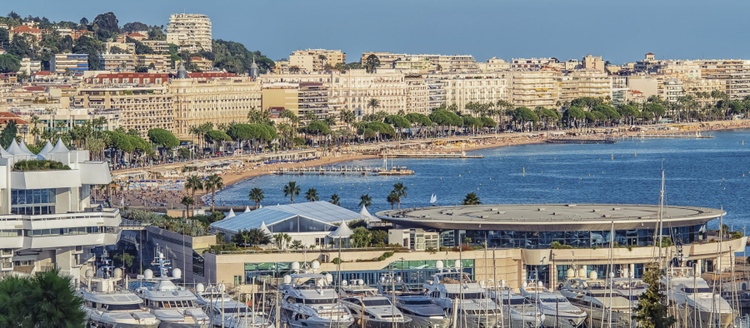
Every time I attend the Cannes Lions Festival I’m blown away by the volume and breadth of content, attendees, and voices you experience. More than any other event that I attend, being able to hear from a broad spectrum of global businesses, across multiple industries, reminds me that we all have a connecting thread — a passion to celebrate the power of creativity — and this year, it was more prevalent than ever before.
I was fortunate enough to be part of the MyLionsTV daily show on the beach at the French Camp, and my role as a panel member was to provide thoughts on what I’d seen at the festival. Joining me on the panel were creatives from all walks of life, discussing their own story and campaigns that influence their work.
In this “roving reporter” role, I got to see the growing importance of health and well-being as a core part of the festival. I spent time in the Cannes Health Pavilion and replaced Rose consumption with yoga on the beach with Adobe, as well as spinning by the sea with SoulCycle. I also got to see firsthand how incredible design and creativity is being applied to the development of lifesaving solutions by attending a talk by Zipline, who has deployed an autonomous drone network that is able to deliver blood anywhere in Rwanda, in under 15 minutes. It showed me that creativity at its finest has the ability to disrupt traditional logistics networks for the better.
Defining brand purpose
I also spent significant time on one of the other two most-spoken-about subjects, the importance of brand purpose and how to embrace diversity and inclusivity within the creative industry.
I agree with Marc Pritchard’s (CBO of Proctor & Gamble) contention that although brand purpose is not new, we need to be precise in its definition if we are to use it to drive an organization. Additionally, Alan Jope’s (CEO of Unilever) warning against “woke-washing,” where brands run purpose-driven campaigns but don’t take real action, couldn’t be truer.
Ultimately for me, brand purpose is a set of shared values and actions that unites brands and organizations and provides the guiding principles to how we execute our short-, medium-, and long-term goals. As John O’Keefe (worldwide creative director of WPP) said, “If we can do good in this industry, why wouldn’t we?”
Embracing diversity and inclusion
On the topic of diversity and inclusion (D&I), there were a host of panels and forums covering the topic and a dedicated program specifically on the subject at Inkwell Beach. Despite the efforts made this year about D&I, disappointingly fewer than 2% of attendees at the festival were people from underrepresented communities. This is even more surprising when you consider that eMarketer’s recent study found that nearly 70% of individuals aged 18 to 34 are more inclined to consume media that features a multicultural cast, demonstrating how far the market is ahead of the industry.
If we take Nina Bobby’s (CMO of O2) Ted Talk definition that “diversity is being invited to the party, and inclusivity is being asked to dance,” we may need to print a lot more invites and put some disco on.
The interest in addressing world challenges is reflected in the fact that over the course of the last year at Adobe Stock we’ve seen queries for “recycling” grow by 53%, “sustainability” was up 50%, and “social responsibility” increased by 43%. One of Adobe’s Visual Trends of 2019, Brand Stand, takes a look at the shift in the relationship between consumers and brands.
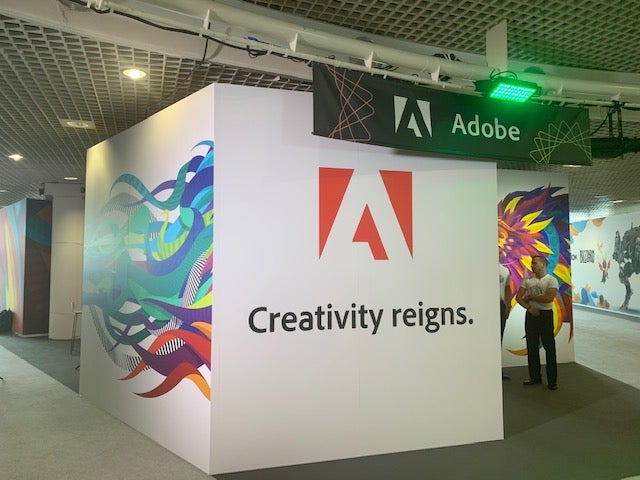
Finally, I was humbled by how much of Adobe’s technology is the platform that supports the process of creativity. So much of what I saw and discussed at the festival was created using Adobe’s tools — from design to execution to measurement and personalization. But tools are nothing without the creative process and the creative minds that push us every day. After all, everyone is a creative and should have the opportunity to share their story and have their voice heard.
To hear some stories of creativity, check out the “I Was There” series for insights shared at this Adobe Stock-partnered event, held at The Drum Arms.
Join a Creative Rumble
To keep the Cannes momentum going, Adobe Stock and The Drum are bringing together creative titans to debate the future of creativity. In a unique “Creative Rumble” environment, two Cannes Lions winners will go head-to-head rumbling over some of the hottest topics in the creative world, such as: Are we growing more obsessed with creating work around good causes or with the sole purpose of winning awards? Or, does advertising need to reclaim the art of entertainment? Learn more and register here:
Don’t miss this unique opportunity to hear directly from some of our industry’s most celebrated creative voices as they share their vision and explore big themes that emerged out of Cannes.
The MyLionsTV daily show featured creatives from all walks of life discussing their own story and campaigns that influence their work. Check it out by day: Monday, Tuesday, Wednesday, Thursday, Friday.