Design systems have become part of the zeitgeist of the user experience world. Everyone’s talking about them, on Medium, at conferences, in tweets, and leading brands are implementing them, all with good reason. A well implemented design system can help product design teams collaborate better, bring products to market faster, and improve user experience and brand consistency. But, if you’re like most, the thought of implementing a design system for your team or your company can seem daunting. Where do you begin? How do you get started?
According to zeroheight founder, Jerome de Lafargue, it all starts with documentation. While implementing a successful design system is way more than just documenting your design system or style guide, it is the cornerstone. It is the very thing that enables a design system to progress through the three crucial stages that are necessary for it to succeed: birth – convincing stakeholders and getting the design system funded; adoption – getting people to use and contribute to the system; and finally, maturity – making sure the system lasts.
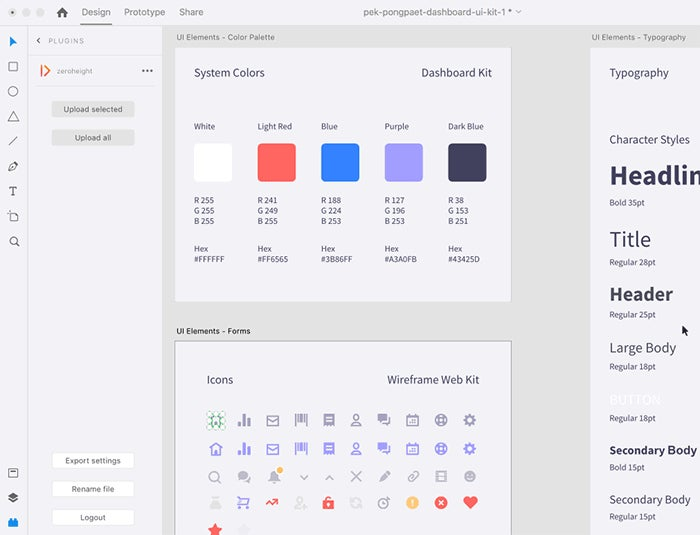
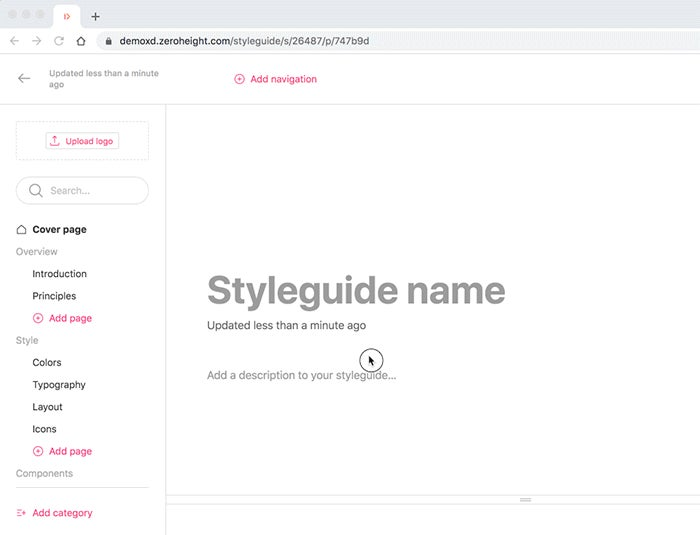
With hundreds of paying customers including Redbull, Staples, and The Guardian, zeroheight is a collaborative online editor that helps teams quickly create and maintain design system sites that serve as your single source of truth for documentation. It syncs with design tools like Adobe XD through plugins to make the process seamless.
Get started with zeroheight to give your design system efforts a major boost
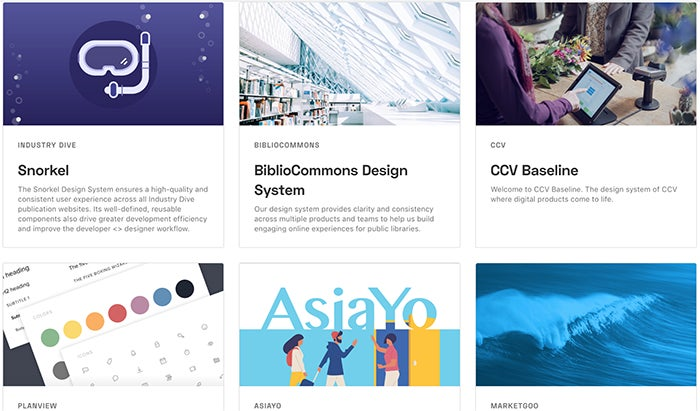
The zeroheight plugin for XD launched in August of last year alongside the new XD Plugin Panel feature; it’s quickly gaining traction with XD customers that are using XD and zeroheight to jumpstart their design systems journey. It’s fast and easy to get started. Some customers that already have design system UI components in XD are able to get a beautifully branded design system documentation site up in as little as a few hours. This is especially significant when you compare it to the heavy lift of building and maintaining a custom website, or the limitations of just using generic documentation tools. I love what customers have been able to create already – check out zeroheight’s showcase page below, which highlights some live examples: