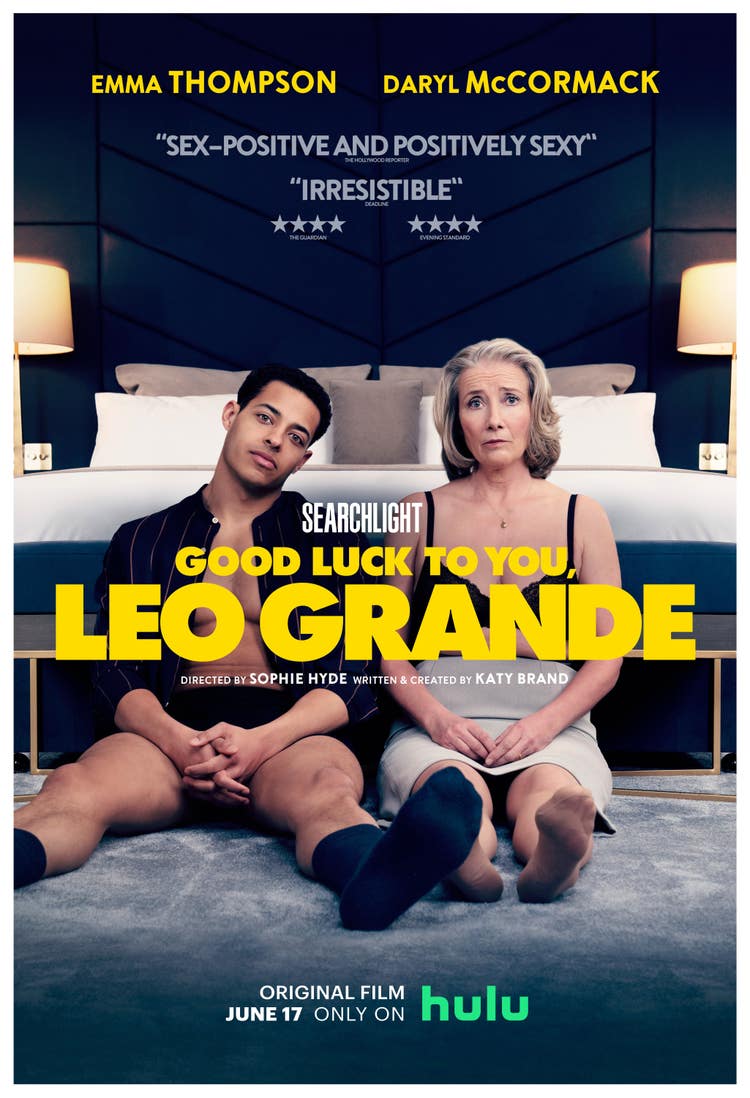
Making its debut at the 2022 Sundance Film Festival, Good Luck to You, Leo Grande, follows retired and widowed teacher Nancy Stokes (two-time Academy Award winner Emma Thompson) as she embarks on a post-marital sexual awakening searching for adventure. She meets sex worker Leo Grande (Daryl McCormack), who draws on his skills and charm, and together they find a surprising human connection.
We went behind the scenes of the entertaining and thought-provoking comedy with editor Bryan Mason. Bryan tells us why he chose to edit in Adobe Premiere Pro, his favorite scene, and the challenges of crafting an exciting story while the characters remain in the same room. Continue reading to hear more about how Good Luck to You, Leo Grande came to life!
Searchlight Pictures.
How and where did you first learn to edit?
I first came across editing as a teenager. I grew up skateboarding and one summer a group of us hired a camera and filmed ourselves for a couple of weeks. Just before we had to take the camera back, I took the tapes and put together a very rough edit of a skateboarding video, working from the VHS-C camera to a VHS deck, play record, pause, cue, play-record style. It was both infuriating and exhilarating in equal measures.
How do you begin a project/set up your workspace?
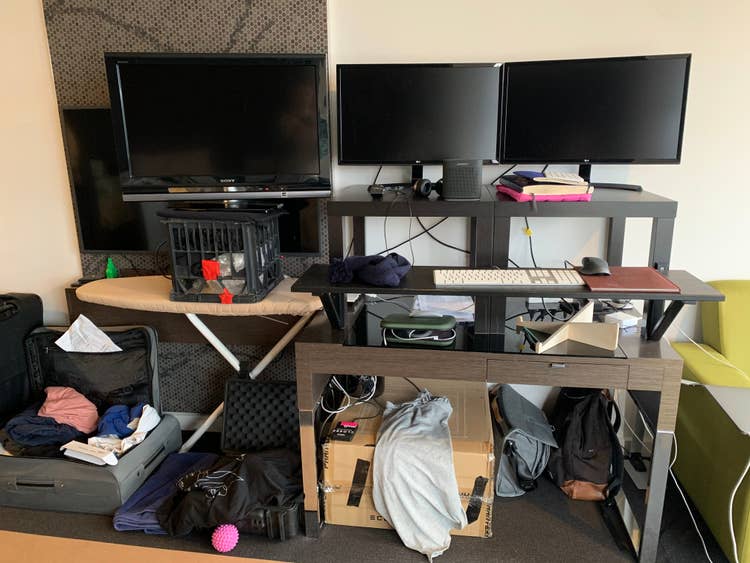
I edit standing up, I made the transition to a standing work station about 5 years ago and it really changed things in a great way for me. Once your body is used to it, which can take a couple of weeks, you can finish a 10/12 hour work day and not be physically wrecked. In fact I often finish an edit day mentally taxed for sure but physically fine, which is in stark contrast to my experience with editing sitting down.
Tell us about a favorite scene or moment from this project and why it stands out to you.
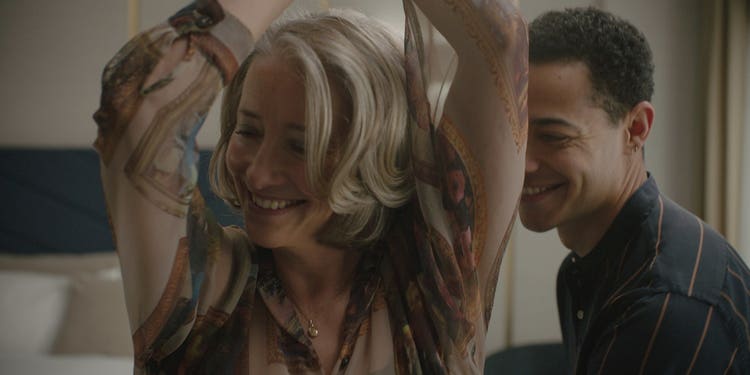
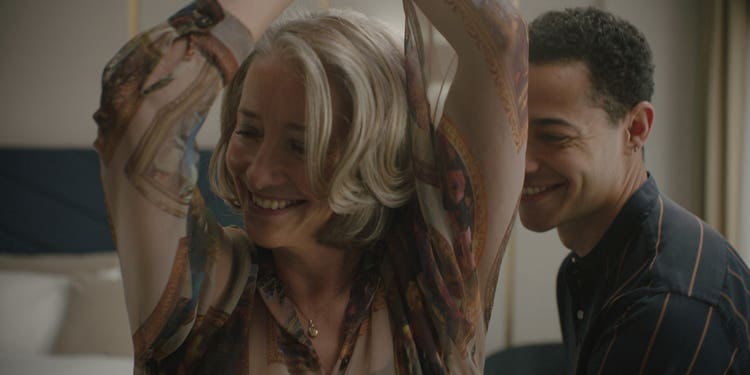
There is a dance sequence just before the middle of this film which is a real highlight for me. We meet Nancy, the main character of this film in a really wound up nervous space and the charming character of Leo is constantly trying to put her at ease and find a way to support her relaxing and unwinding. We go from quite a stilted controlled feeling film into a freer feeling sequence where Nancy starts to relax, it’s a lovely scene and was a fun one to achieve.
What were some specific post-production challenges you faced that were unique to your project? How did you go about solving them?
This film is ostensibly a two hander, two people in one room for 80 percent of the narrative, so keeping that interesting and amusing was certainly the biggest challenge in the making of this project for me. Thankfully, Sophie Hyde the director elicited two magnificent performances from our stellar cast. Then, it was a matter of trusting the material in the edit and letting it play out in a way which was true to the intention of the script and honoring the best of what the actors offered.