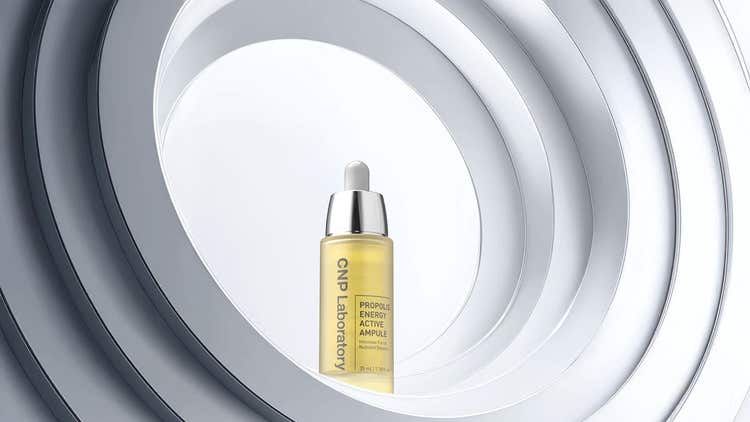
LG Household & Healthcare is redefining how beauty content is produced at scale with a digital twin workflow powered by Adobe Substance 3D. With thousands of products across dozens of brands, the company needed a faster and more consistent way to generate high-quality visuals for e-commerce and marketing. By building accurate digital twins, high-fidelity digital representations of physical products, LG H&H now creates product renders and packshots even before physical prototypes exist.
The company uses Substance 3D Painter to create material-accurate digital twins and Substance 3D Stager for photorealistic rendering. Adobe Firefly features are directly integrated into Substance 3D Stager to generate customizable backgrounds from simple text prompts. In this interview, Minkyung Oh, team lead of the Digital Content Team, shares how the pipeline was implemented in just a few months, and the value it has provided across the organization. We’ve edited Oh’s interview for clarity and concision.
Create state-of-the-art 3D
In the Substance 3D ecosystem, smart creative apps and high-end content give you everything you need to make inspiring art. For the beginner and expert alike.
Learn more
I'm in charge of planning, producing, and managing digital content for our diverse range of beauty and consumer goods brands. Our Digital Content Team has a dozen members, and we create all sorts of digital content for various platforms: from photos and videos to retail and web experiences. We also operate an in-house studio, which allows us to produce content for LG Household & Healthcare's many brands.
LG H&H is comprised of more than 50 brands, each brand averaging around 160 products. This effectively requires content production for thousands of items and product variations every year.
Accelerating content production
The beauty industry is evolving at a breakneck pace, and it’s critical to launch products and content that can keep up. While generative AI can be very powerful, it can’t guarantee full accuracy when representing our products, especially when products are constantly being updated. Full visual accuracy is critical to a brand's identity and marketing content. Therefore, we felt that a 3D workflow, centered around Adobe Substance 3D, was the solution. We were impressed by the fact that even designers who weren’t 3D experts could easily access and use the tools, which helped us break down those psychological barriers. We already use other Creative Cloud tools such as Photoshop and Illustrator, which made adoption even easier thanks to the similar interface and product integrations.
Furthermore, our design teams already use NURBS-based modeling data, so we were only one step away from converting these 3D models for texturing and rendering with Substance 3D. Plus, we appreciated how lightweight the 3D files were.
So, we decided to implement a new pipeline: Create digital twins, full 3D representations of the physical product, with Substance 3D Painter and Stager, and use the power of Adobe Firefly to generated backgrounds.
Digital twins: A solution that scales
In four months, we've been able to create more than 200 digital twins for our key products – and that number is growing with every new product launch.
Using digital twins offers a wide range of benefits:
- Speed & Cost: It dramatically shortens the content-creation timeline and requires almost no cost for photoshoots.
- Flexibility: We can easily create surreal backgrounds that would be impossible to shoot, or quickly produce different stylized scenes.
- Consistency: We can ensure that product images used across various channels have a consistent look and feel.
- Optimization: We can create content using 3D assets before the physical product is even manufactured, allowing us to complete A/B testing and respond quickly to market trends.
- Reusability: A 3D asset can be easily modified and reused for product relaunches and renewals.
These product renders are used at various customer touchpoints in e-commerce, such as on product thumbnails, detail pages, and in ad creatives. The ability to create content without constraints has been a game-changer. It allows us to constantly run A/B tests to continuously improve our click-through and conversion rates.
Faster turnaround and lower costs
Our traditional workflow was centered around physical photo shoots. Deciding on a concept and planning for a shoot would take around three weeks. We'd spend at least a week and a half on prep work. After the shoot, the retouching process would take another two weeks. All things considered, it would typically take us about a month and a half to go from planning to the final delivery.
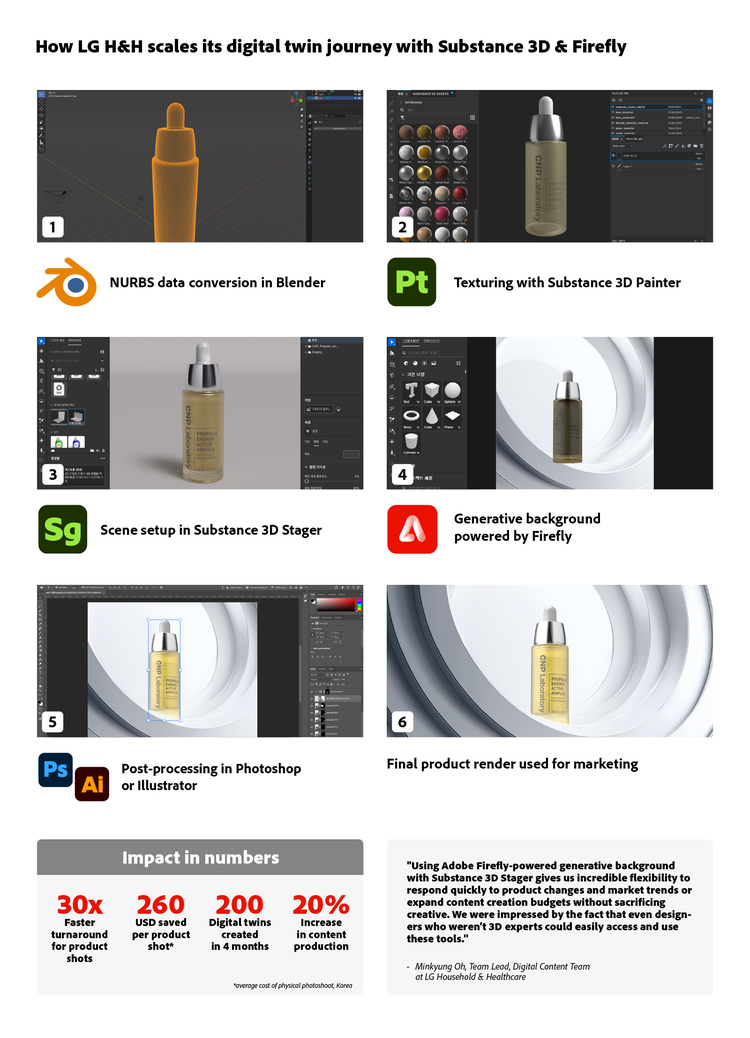
We will still do photoshoots when it makes sense, but the 3D pipeline gives us flexibility to respond quickly to product changes or market trends – or expand content creation budgets — without sacrificing creative. Compared to our photo-shoot-based process, our 3D pipeline takes just one to two days for content planning and creation. That’s roughly a 30x faster turnaround!
We’ve also nearly eliminated out-of-pocket costs for props and location scouting, which significantly reduces our production costs. The cost of a physical photoshoot varies depending on the product and scope, but the general market rate in Korea averages $150 to $370 USD. Furthermore, we increased our internal content output by 20 percent. We achieved these impressive metrics within four months of implementing our new pipeline.
Creative freedom with Adobe Firefly
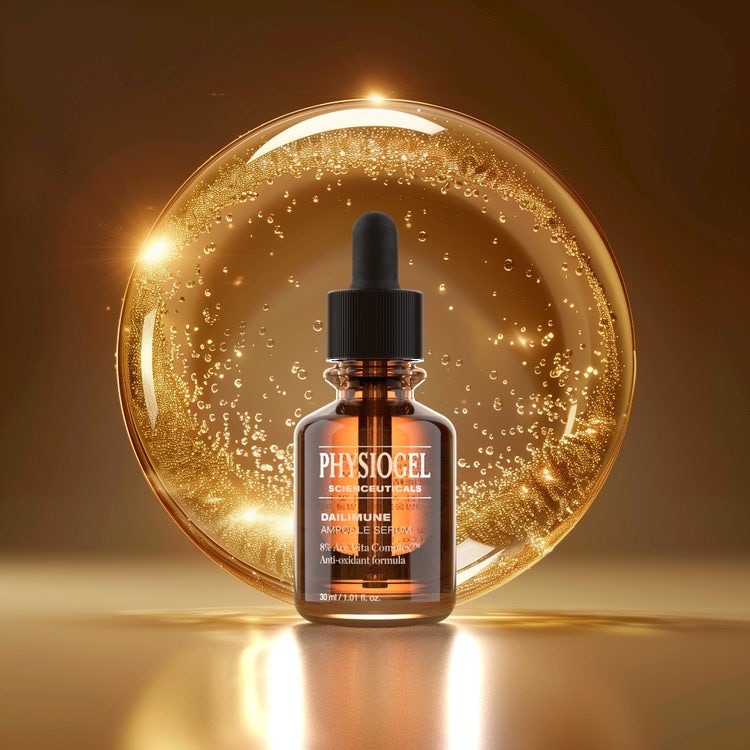
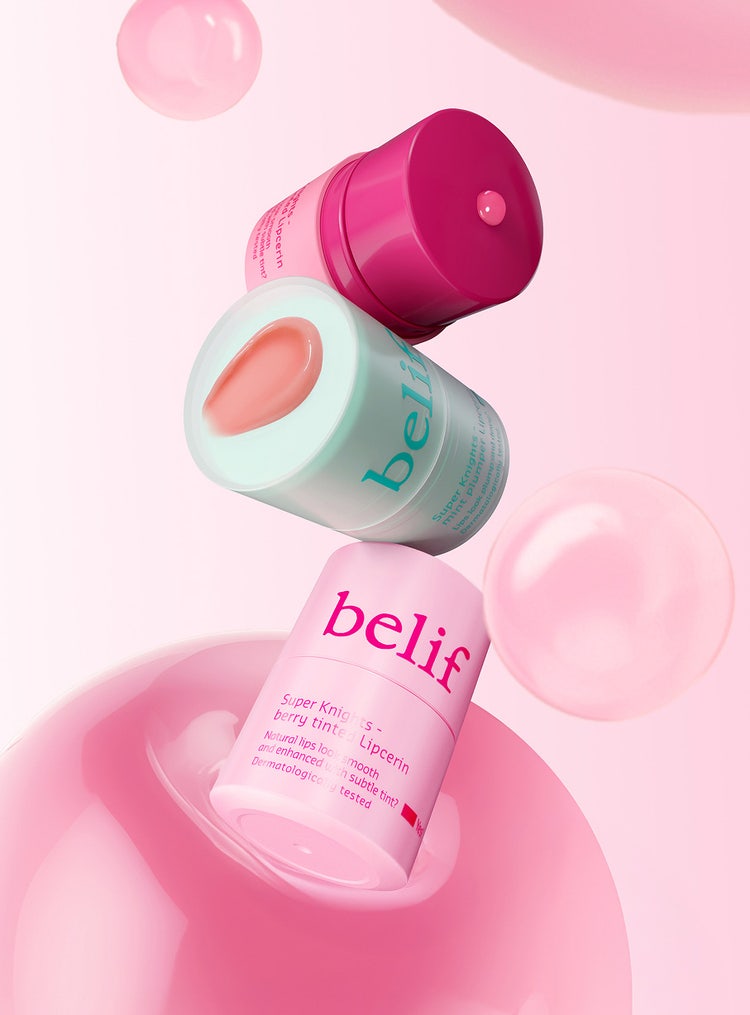
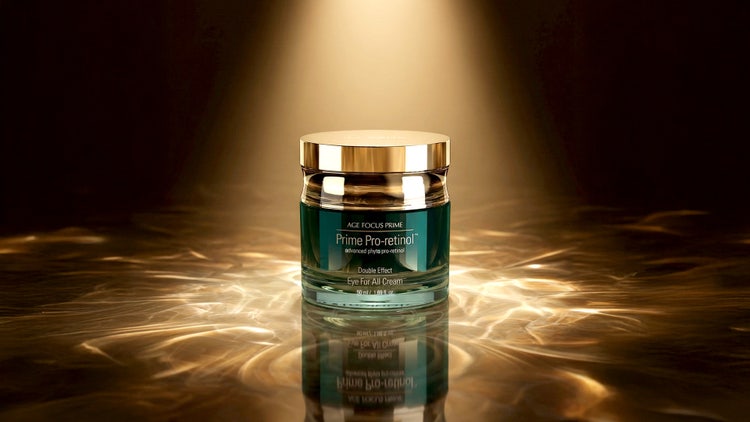
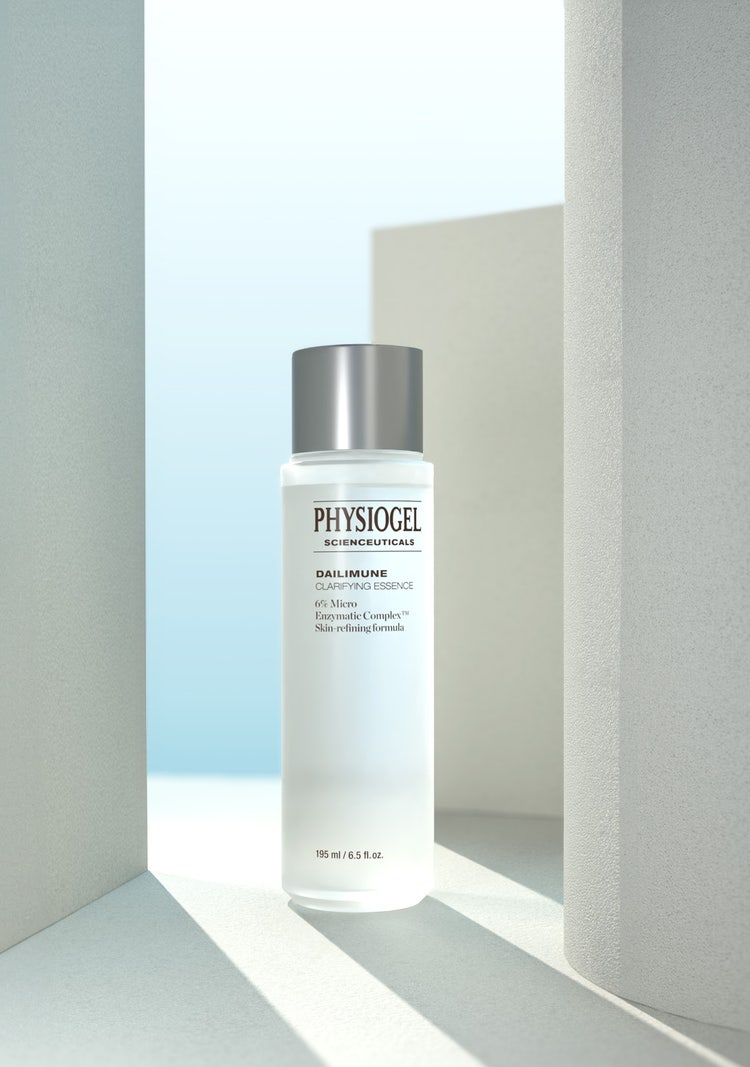
Using Adobe Firefly-powered generative backgrounds with Stager gives us incredible flexibility in content creation. With traditional photography, we were limited by physical constraints like props, locations, and lighting. It was also incredibly difficult and expensive to create surreal or highly conceptual backgrounds. But with Adobe Firefly, we can now place a digital twin and simply type in a text prompt to generate a stunning variety of backdrops instantly. For instance, we can create a "space filled with the scent of flowers," a "futuristic virtual space," or a "stunning vacation spot on the other side of the globe," all in a matter of seconds. This allows us to freely create even unrealistic backgrounds and mass-produce consistent images that were simply impossible before.
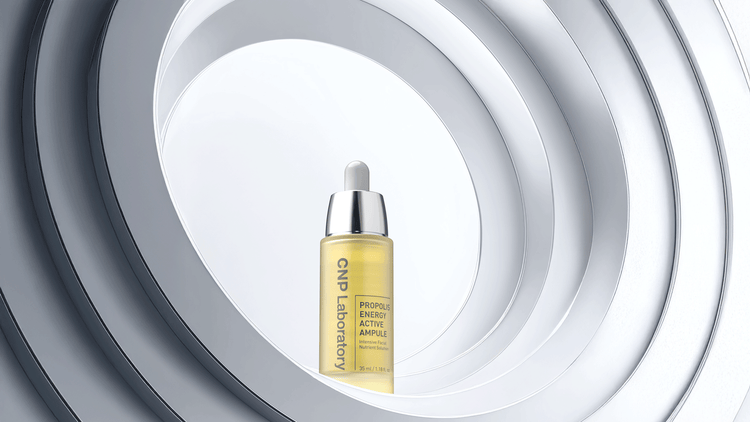
3D product renders created in Substance 3D Stager with Adobe Firefly-generated backgrounds.
A digital twin pipeline powered by Substance 3D
We've divided our 3D pipeline into two key areas: one for our 3D designers who create digital twins, 3D representations of the physical product, and another for our content designers, who are non-3D experts but can use those 3D assets to create digital content.
To make digital twins, we convert the 3D CAD data from our products. Then we meticulously work on the texturing in Substance 3D Painter to realistically show the various materials, so it looks just like the real product. Our main goal is to effectively convey the product's unique characteristics through the content, so we don't focus on complex internal designs.
For beauty products, we pay close attention to details like how the customer perceives the metal, glass, or subtle color differences. Once the digital twin is complete, we register it in our Adobe Creative Cloud Library so that designers from different departments can access it whenever they need it.
1. The asset pipeline was built by our 3D experts, Jae-oh Kim and Young-gwang Jeon. We use product design files and CAD data to create 3D assets. The focus here is making sure the various materials and colors are effectively conveyed in the content. Creating a single 3D asset takes about one to four days, depending on the difficulty.
2. The created 3D assets are shared via our Adobe Creative Cloud Library.
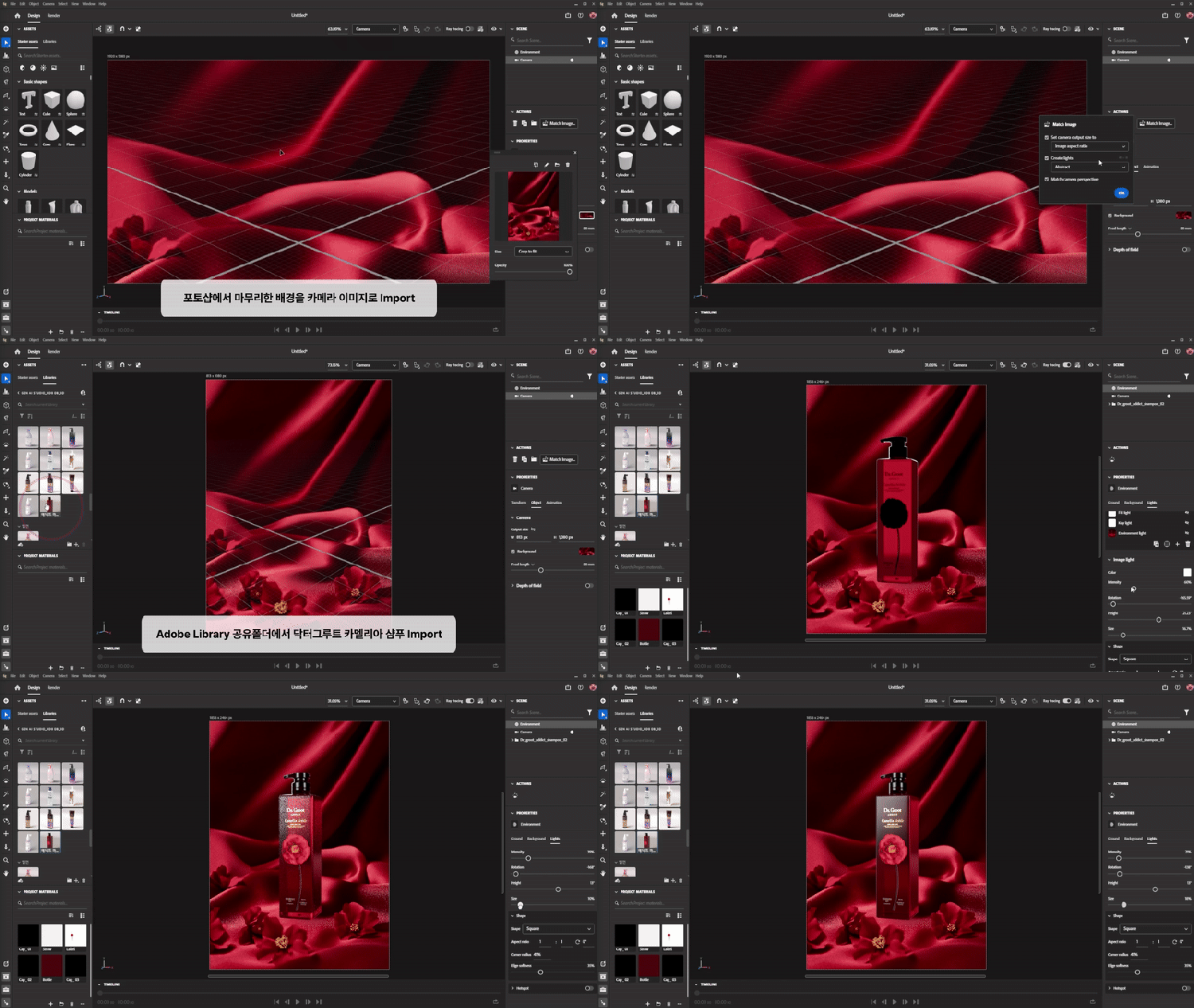
3. Content designers, who are not 3D specialists, pull the assets from the cloud and use Substance 3D Stager and Generative AI (Adobe Firefly) to create the content they need. Post-processing is done with Photoshop or Illustrator.
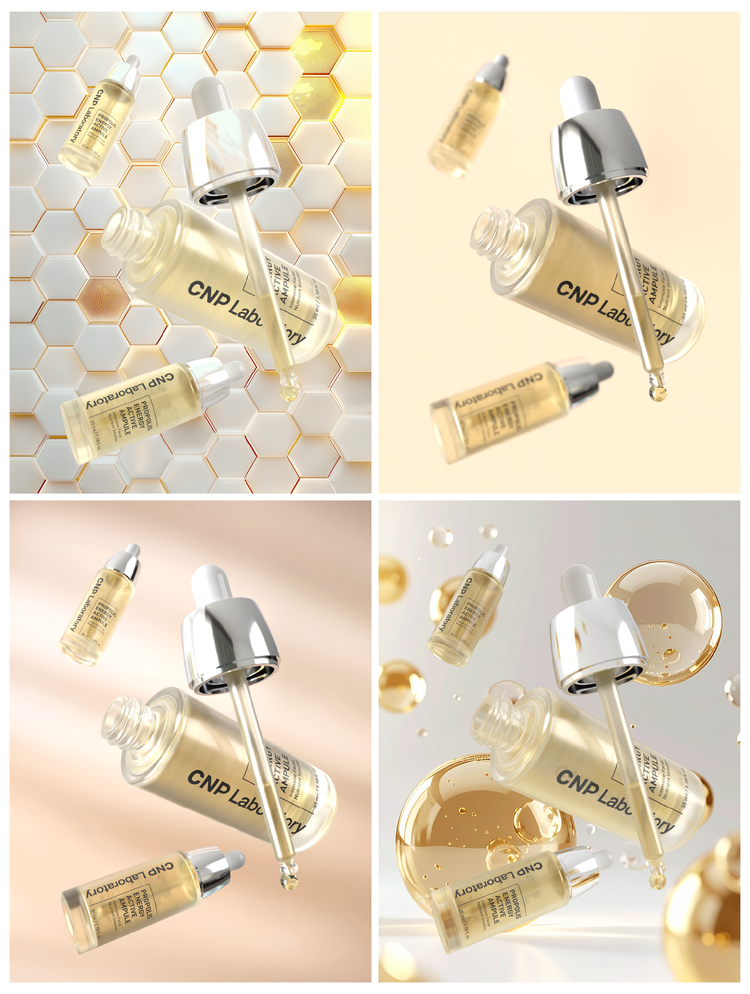
3D product renders created in Substance 3D Stager with Adobe Firefly-generated backgrounds.
Driving internal onboarding and breaking barriers for adoption
We believe the biggest hurdle when adopting new technology is the "psychological barrier." After all, even the best programs and workflows are useless if no one is willing to use them. To break through this, we focused our training on the essential functions that even our non-3D experts could easily master.
We kicked things off with company-wide sessions to show everyone how they could use Adobe Firefly and Substance 3D to create amazing content without limitations. At the same time, we created a series of short, bite-sized video tutorials, each just three-to-five-minutes long, that broke down key functions like importing an asset, positioning it, and adjusting lighting.
After about two months of this intensive internal push, we saw incredible results. Both our designers and our in-house photographers not only embraced the tools but also became proficient at creating content with Substance 3D.
Toward a fully end-to-end digital twin workflow
Our long-term goal is to make our digital twin workflow end-to-end. We're planning to digitize more of our products and expand our 3D asset library to include various textures and props used in the beauty industry. Ultimately, we aim to adopt a digital-twin approach from the earliest stages of product development, from ideation and design to sales, to fully integrate it throughout our entire process.
Create state-of-the-art 3D
In the Substance 3D ecosystem, smart creative apps and high-end content give you everything you need to make inspiring art. For the beginner and expert alike.
Learn more