Captivating fear through film takes more thought and work than you might imagine. Using a raw cinematic style with natural lighting and some post-production magic, James Cawley’s Stock Portfolio series The Evil Within will have you living your worst nightmare. In the spirit of Halloween, we recently sat down to talk about the art of horror in film.
**Due to the graphic and scary nature of the footage contained in this blog post, this content may not be suitable for children. **
Adobe Stock: What are your favorite types of projects?
James Cawley: My passion is really to create projects that have a high cinematic quality without losing the natural emotion involved that makes it special. I like to focus on projects that involve unique places in our world — capturing what makes life magical and fulfilling for different people. Sharing these things is what makes me want to pick up a camera.
AS: Are there any specific themes you like to incorporate in your creative direction?
JC: I love to shoot in studio and work with actors just as much as the next guy, but I always find something really special and challenging about capturing images as they actually happen.
It’s a process that I call cinematic raw, in which I try to use real unrehearsed emotions and natural lighting.
AS: How you would describe the Evil Within series of clips in your Stock Portfolio?
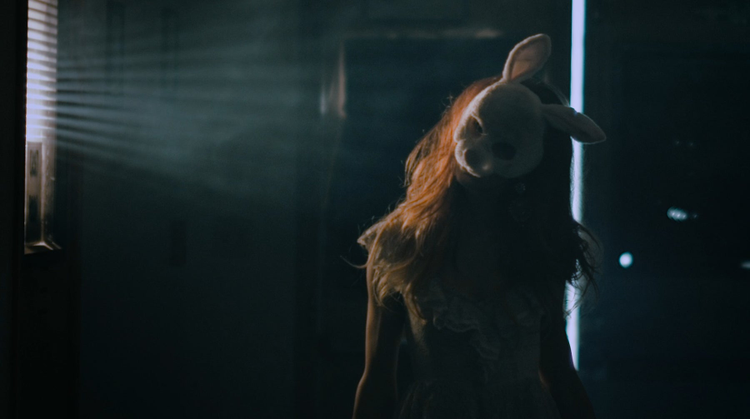
JC: It’s inspired by my nightmares and scary movies so I wanted it to be really visually menacing and appeal to people’s fears. When I think of something scary in a dark hallway or house — for me that’s about the worst thing I’d want to see. I tried to recreate those images to see if they affected my emotions as much as I thought they would. I think I was pretty successful.
AS: Is there a specific story within the frames?
JC: I was working on a horror television series that I created called Haunted Travels and filmed this series at the same time so I could have a library of material to build tension between scenes and add to recreations as I’m doing interviews. But I also wanted it to be versatile enough to be a stock collection for others in the video world.
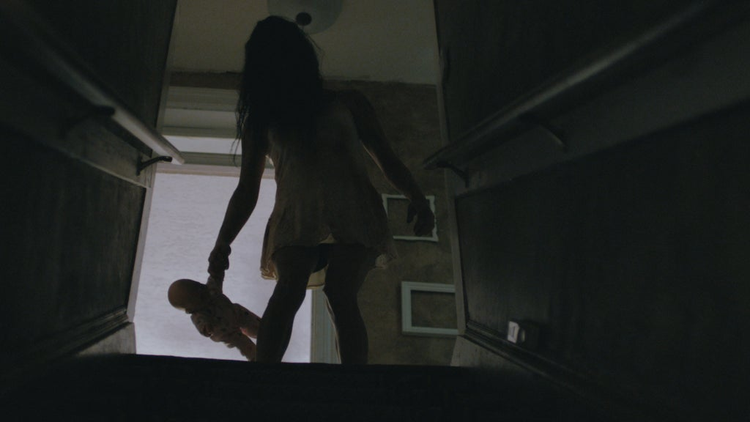
The series showcases the horrific creepiness of shadows and creatures in dark places that everyone fears. All the clips have actors portraying an ominous presence lurking in the depths of an old, dilapidated house.
AS: Which clip is your favorite?
JC: Having a creepy creature crawl out of the stairs is something that’s always scared me, so I wanted to be sure to have a clip like that. One location had this horrible basement with stairs that were broken down and it was just scary. I’m like, we have to try to film that here. What we created reminds me of something off the movie The Grudge or The Ring and I think it stands out as one of the premiere clips of the series.
AS: Are there any other feelings or themes that you want the user to think about while looking at these clips?
JC: I think the main point was to create fear, or really, disgust. I feel like this clip series would not be successful if I didn’t really take people down to a core fear in their psyche just from seeing these images. And I think that’s what a successful, powerful image does. If you glance at an image and it makes you instantly feel something, I think that’s successful — at least personally — and I feel like that’s what most of these videos do.
AS: Is there anything surprising about the production process of the clips?
JC: There was no artificial lighting used whatsoever in any of those clips. We used all natural and practical lights. For the clip of the girl coming up the stairs, I had my camera assistant use an LED flashlight to give that illumination back and forth, which makes it a lot scarier and more realistic than just having a traditional lighting setup.
AS: Are there any specific challenges or benefits that you’ve found from using LED lighting?
JC: I use LED quite a bit because I shoot out in the field, and it’s one of the only things that you can power with batteries. But you have to be careful with your color temperatures and making sure that that they match what you’re going for. And sometimes the power of the light isn’t enough so you need really close quarters with LED — you can’t blast through trees with battery-power. While that makes it challenging, it also helps maintain that realistic feeling.
AS: What other equipment did you use in this series?
JC: On this, I always shot on ZEISS cinema lenses — specifically the CP2 series lenses because they work amazing on almost any camera in low light situations, and I use that in combination on this shoot with a red scarlet.
This gave us a lot of range to play with, which was very much needed when we got into post for grading. When you’re doing these run and gun things, it’s nice to have some raw capabilities so you’re not stuck with it as it’s shot.