There’s no question, hand lettering is gaining popularity in the design community. Just ask designers, like Gemma O’Brien and Christine Herrin, who have received recognition for their creative use of lettering. Why the surge in popularity? Hand lettering gives design projects a unique signature — it’s the designer’s personality manifested in the purest form.
Esther Loopstra believes audiences have gotten used to the clinical perfection of computer fonts. They are wanting to see something more human. “People are really craving a more ‘done-by-hand’ quality,” Loopstra says. “They want to see that your work is authentic, finding beauty in the imperfections.”
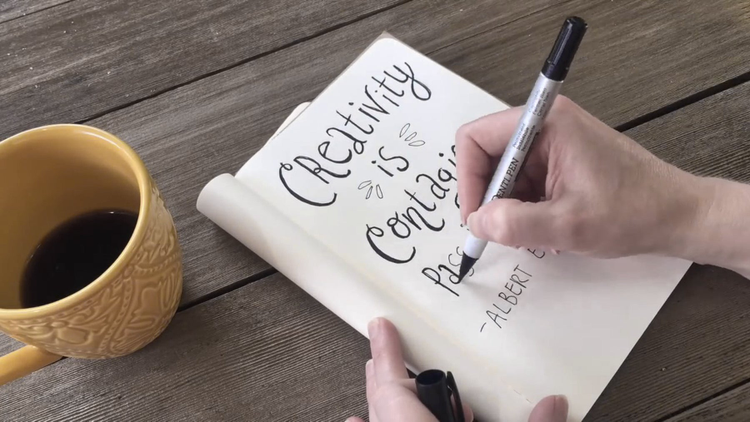
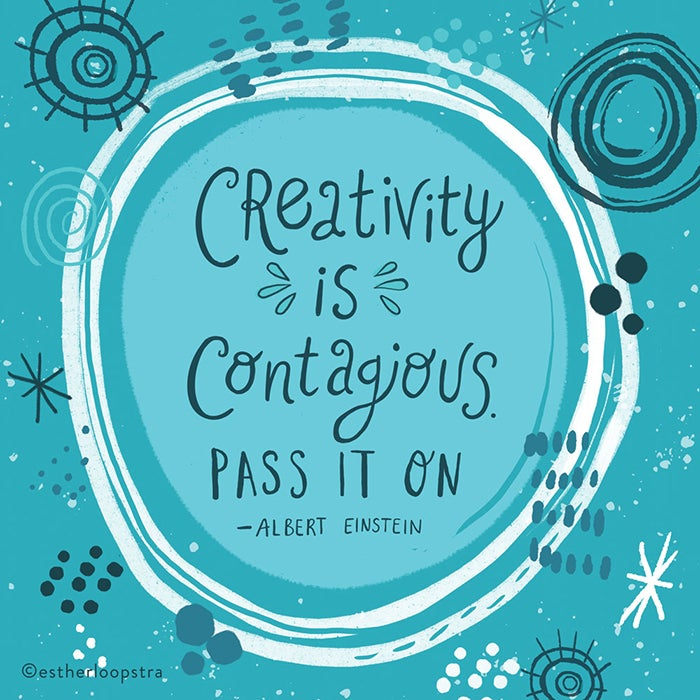
Image Source: Esther Loopstra
The natural imperfections in hand lettering — like crooked lines or varying thicknesses in letters — give your designs more personality, allowing your audience to form a connection to the piece. Technically perfect lettering hides your individuality, but leaving in small flourishes or quirks lets your personality shine through.
Rather than using fonts, handlettering lets you feature your most artistic side, using lettering that wholly belongs to you. For Loopstra, hand lettering has always resonated with her personal emotions. “I’ve been doing this type of hand lettering since I was a little girl, although it has certainly evolved since then,” she says. “It’s always different, and that really strikes a chord with the need for creativity and diversity that I have within myself as a designer.”
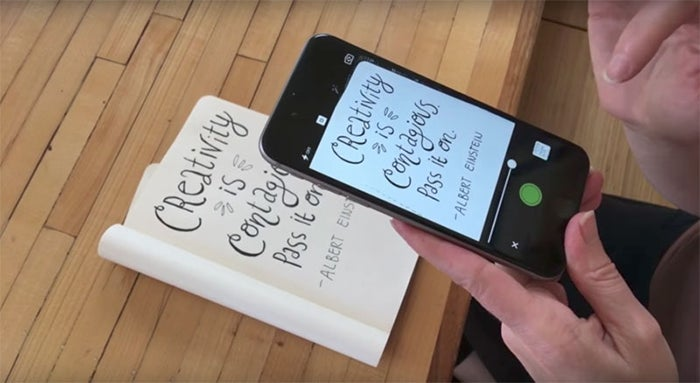
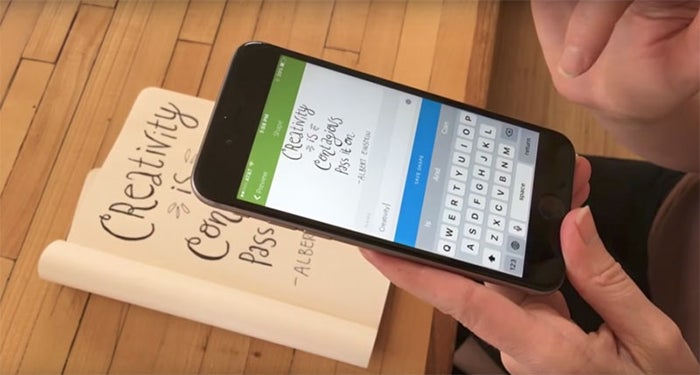
Prior to Adobe Capture’s launch, designers had to scan a hand-lettered document, open it in Illustrator, and use Image Trace to digitalize it before they could add the lettering element to their designs. “Capture simply makes life easier,” Loopstra says. Digitizing her lettering through an app, like Adobe Capture, allows Loopstra to design on the go. It’s a simple process, and it gives her maximum control over what the final design will look like. Here’s how she uses Capture in her daily workflow.
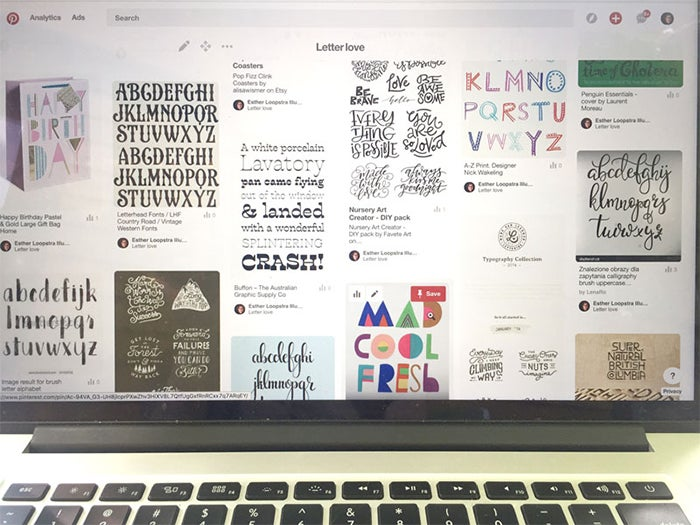
- Like any great design, hand lettering starts with a basic idea. Feel free to be as creative as possible. Consider how you want your lettering to look, what tone you want to convey. “A great way to get inspired is to look at other fonts in the world around you. How do they make you feel? What do you like or dislike about them?” Loopstra says.
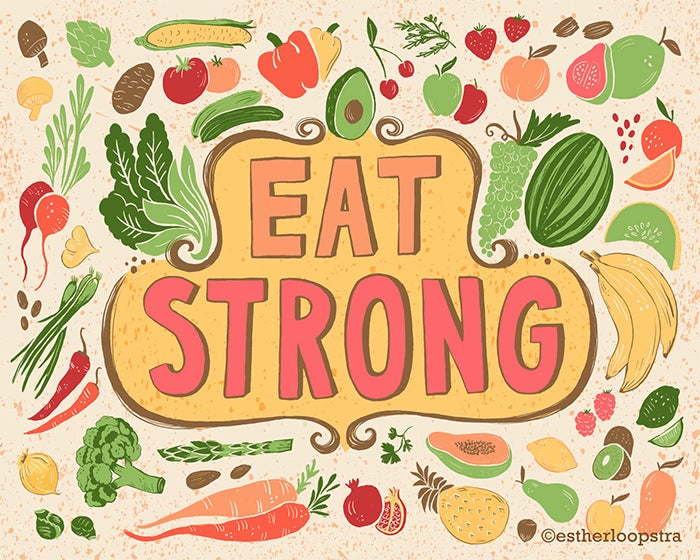
Image Source: Esther Loopstra
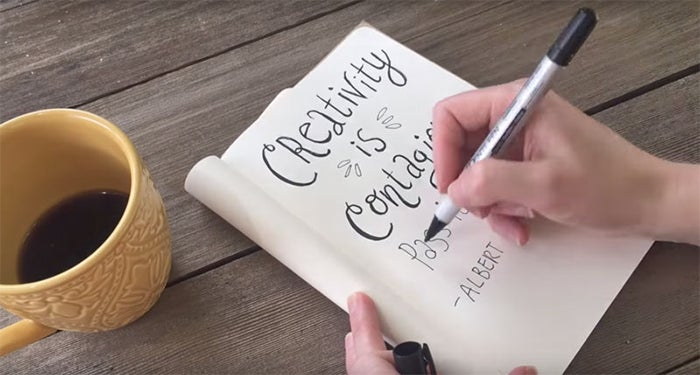
Image Source: Esther Loopstra
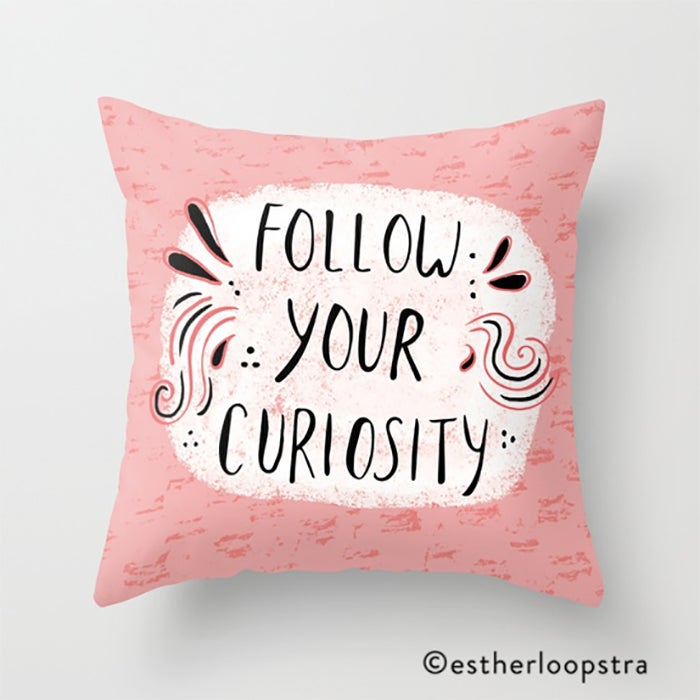
“When it comes to hand lettering, don’t hold yourself back,” Loopstra says. “Experiment with lots of different mediums and textures. Try different inks or paints. Use whatever inspires you, and allow tools like Capture to open up a whole new mode of creativity.”
Image Source: Esther Loopstra
To easily incorporate hand lettering into your work, download Adobe Capture.