The desire to create is inherently human, but pursuing that drive is a conscious choice. It takes curiosity, courage and a willingness to put a piece of ourselves out into the world.
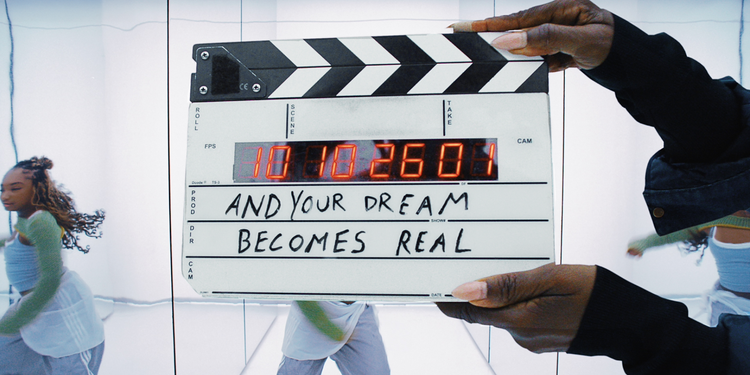
There are more ways than ever to bring an idea to life. With "Made to Create," we wanted to put the people behind the pixels in the spotlight, to capture the joy, curiosity and very personal impulse that makes someone turn an idea into something real, and to make a film that combines different voices and unexpected worlds while making you feel the person behind every contribution.
Directed by Santiago Carrasquilla, the film marks the first cinematic expression of our "Made to Create" platform. It’s an ode to the community that has always been at the heart of what Adobe does, and a rallying cry for everyone with an idea to make it real, with help from our solutions. That includes Adobe’s own teams, agencies, and the creative partners who used Adobe Firefly, Acrobat and Acrobat AI Assistant, Frame.io, and Workfront to produce "Made to Create".
A distinctly human story
"Made to Create" brings together work from more than 30 artists and talents across 18 countries, including Japan, Brazil, India and Nigeria, alongside artwork by our own employees. Adobe’s role was to help all these individual voices come together in a way that felt joyful, surprising and unmistakably human.
We kept coming back to the same questions: Can you feel the creators behind the work? Are we giving their world enough room to unfold? Do the Adobe product moments showcase how each artist’s ideas became real? These questions guided the edit, pacing and details of "Made to Create" in every frame.
In the spirit of growing, sharing, and learning together, here’s the story behind that effort. From the idea behind Adobe’s new film, to the people whose taste defined it, to the technologies that empowered them to explore what they could make, together.
Collaborating on the fly
Launching a global creative platform takes clear intention and alignment, but achieving that isn’t easy when different teams, partners, and decision-makers are involved.
Using Firefly to ideate, storyboard, and refine the intention behind "Made to Create", Adobe’s designers and creative professionals, our agency partner 72andSunny, and our creative contributors were able to collectively sharpen the vision for the project while working at speed. From shoot to final edit, the film came together in less than a month. Moving faster gave us more space for craft: to consider an unexpected direction, sharpen a product moment or get a transition feeling right.
Adobe’s teams also used Frame.io as the central asset repository for video assets and cuts, so every contributor and decision-maker on the project could access, review, and check the status of elements produced for "Made to Create" in one place. All contributors could see historical comments across asset versions as designs evolved.
Where Frame.io was used for video assets, Acrobat allowed our creative teams to review and approve static assets and project documents like briefs and decks on the fly, in real-time, without eating into their limited hours. We also used Acrobat AI Assistant to synthesize large volumes of information and audience insights to shape the brief for "Made to Create" and set our KPIs. Rounding out our trio of Adobe collaboration tools was Workfront, where we centralized planning and resource allocation to keep our teams, agency, and creative partners aligned throughout production and post-production.
Bringing creative visions to life
Each contributor brought a distinct creative world to the film, using Adobe tools to push their ideas further. The work they produced is a testament to how our technologies not only make creativity more accessible, but also more shareable.
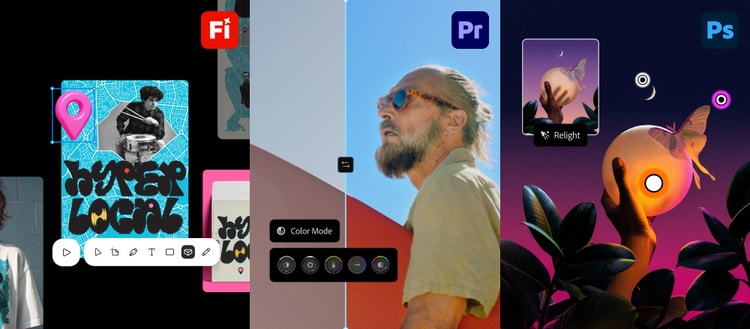
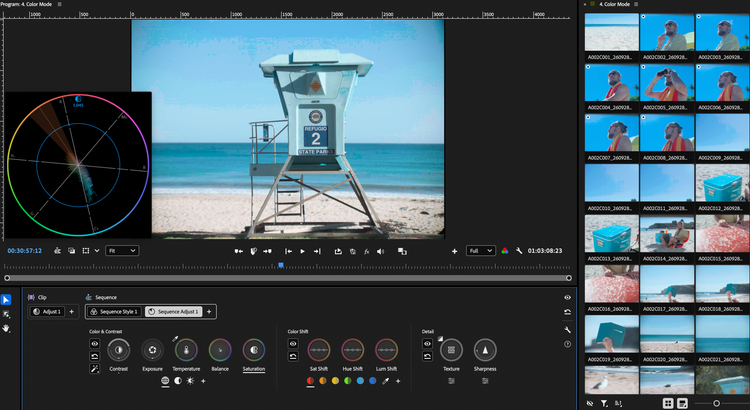
Take Space Dawg, AKA Michael Lim, who used the Object Rotate and Animation Timeline features in Photoshop to develop characters, experiment with movement and build surreal animated worlds for the film. Or take Tanu Muino, an award-winning Ukrainian director, photographer and stylist, who used the color tools in Premiere to refine look and feel of her footage, and the Auto Reframe feature to adapt her creative vision for different formats.
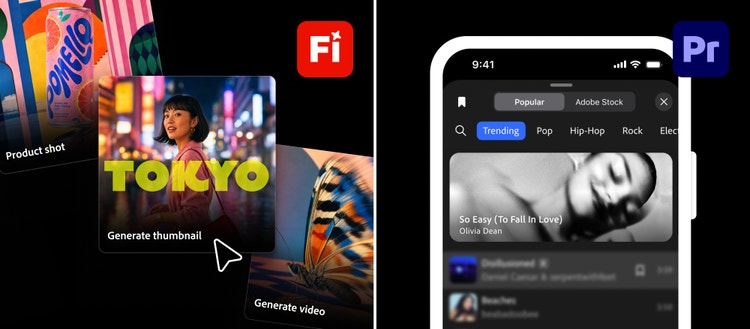
Visual artist YoveLourself and Nigerian filmmaker Malik Afegbua embraced Firefly as a co-creation tool, drawing on its AI-powered Image to Video capabilities to turn still concepts into moving visuals and add new dimensions to their storytelling. The same goes for Oddatide, a Lithuanian designer and creative technologist who used Firefly to bring depth and movement to her unique visual worlds.
Essie, the L’Oreal-owned nail color and care brand, produced a stunning sequence for "Made to Create" in time for launch. Working closely with our teams in Acrobat, they pulled their creative assets together and aligned their workflows with ours.
What stays with me is how much of themselves people put into this film: their drawings, their worlds, their instincts, their care. It’s been a privilege to bring those voices together, including the creativity of our own Adobe colleagues. That’s the spirit of "Made to Create" — this world could use a little more you.
That leaves us with the most important question of all: What will you create today?